
What does EVOO mean?
EVOO stands for extra virgin olive oil — the highest quality category of olive oil, defined by strict chemical and sensory standards under EU regulation (EC) No 1308/2013. It is produced exclusively by mechanical means (pressing, centrifugation) without the use of heat or chemical solvents, directly from healthy olives.
To legally carry the "extra virgin" label in the EU, an oil must meet all of the following criteria:
- Free acidity of no more than 0.8 g per 100 g (expressed as oleic acid)
- Peroxide value of no more than 20 mEq O₂/kg — indicating low oxidation
- No sensory defects — zero detectable off-flavours (rancidity, mustiness, winery notes) as assessed by a trained tasting panel
- Positive fruitiness — the oil must have a detectable aroma of fresh olive fruit
These standards mean that the majority of olive oil produced globally never qualifies as extra virgin. Much of it is refined and blended — then sold as "pure olive oil" or "light olive oil." The difference in nutritional value, flavour and health properties is enormous.
EVOO vs virgin vs refined: the full comparison
| Category | Max acidity | Extraction | Flavour | Best for |
|---|---|---|---|---|
| Extra virgin (EVOO) | ≤ 0.8% | Mechanical only | Fruity, complex, peppery | Finishing, dressings, dipping |
| Virgin olive oil | ≤ 2% | Mechanical only | Mild, some defects allowed | Cooking, baking |
| Refined olive oil | ≤ 0.3% | Chemical + heat | Neutral, nearly tasteless | High-heat frying |
| Olive oil (blend) | ≤ 1% | Refined + small % virgin | Mild, generic | General cooking |
What makes a good EVOO?
Within the extra virgin category, quality varies enormously. The legal minimum standard catches the worst oils, but the best EVOO is far above the threshold. The key factors that determine quality in the bottle are:
- Olive health — only perfectly healthy olives, harvested at the right moment, produce exceptional oil. Damaged, diseased or over-ripe olives produce defects even when cold-pressed.
- Harvest timing — earlier harvest means greener olives, higher polyphenol content, more intense aroma and a characteristic peppery finish. Later harvest yields softer, riper flavour with lower antioxidant levels.
- Speed — olives begin to degrade the moment they are picked. The best mills process olives within hours of harvest, not days.
- Temperature — cold extraction (below 27°C, ideally below 22°C) preserves volatile aromatics and polyphenols. Higher temperatures extract more oil but at the cost of quality.
- Storage — EVOO degrades rapidly when exposed to light, heat and oxygen. Dark glass, tin or stainless steel tanks, stored cool, preserve freshness far longer than clear glass on a sunlit shelf.
The polyphenol question
Polyphenols are the compounds responsible for EVOO's most celebrated health properties — and also for the characteristic bitter-peppery flavour that novices sometimes find surprising. The main ones in olive oil are:
- Oleocanthal — an ibuprofen-like anti-inflammatory compound. The sensation of pepper at the back of your throat after swallowing EVOO is oleocanthal activating the same pain receptors as ibuprofen. Higher pepper = higher oleocanthal.
- Hydroxytyrosol — one of the most potent antioxidants found in food. The EU has approved a health claim for olive oils with ≥ 5 mg of hydroxytyrosol and its derivatives per 20 g of oil.
- Oleuropein — abundant in the olive fruit, and partly converted to hydroxytyrosol during pressing and storage. Linked to anti-inflammatory and cardioprotective effects.
Polyphenol content varies widely: a typical supermarket extra virgin might have 50–150 mg/kg total polyphenols; a good early-harvest premium EVOO from Andalusia will often exceed 400–600 mg/kg.
Can you cook with EVOO?
Yes — and you should. The smoke point of high-quality EVOO (around 190–210°C) is well above typical sautéing or shallow-frying temperatures. More importantly, the polyphenols and vitamin E in EVOO are natural antioxidants that slow the degradation of the oil under heat — making it more stable than many refined vegetable oils at normal cooking temperatures. Large studies in Mediterranean countries where EVOO is used abundantly for frying show no adverse health effects.
Use EVOO for everything: finishing soups and salads, dressing pasta, shallow-frying eggs, roasting vegetables, or simply dipping bread. Reserve the most delicate and expensive oils for raw applications where the flavour can be fully appreciated.
How to taste EVOO
Professional olive oil tasting follows a structured protocol, but anyone can learn to notice the key attributes:
- Pour about 15 ml into a small glass or cup and warm it in your palm for 30 seconds
- Inhale slowly — note the aroma intensity and character (grass, green tomato, almond, artichoke, apple?)
- Sip and spread it across the entire palate before swallowing
- Note the bitterness on the tongue and the pepper sensation at the back of the throat
- Higher bitterness and pepper signal more polyphenols and earlier harvest — not a defect
The three positive attributes evaluated by professional panels are fruitiness, bitterness and pungency. All defects (rancid, musty, winey, fusty) indicate oxidation or poor handling during processing.
Our award-winning Andalusian EVOO
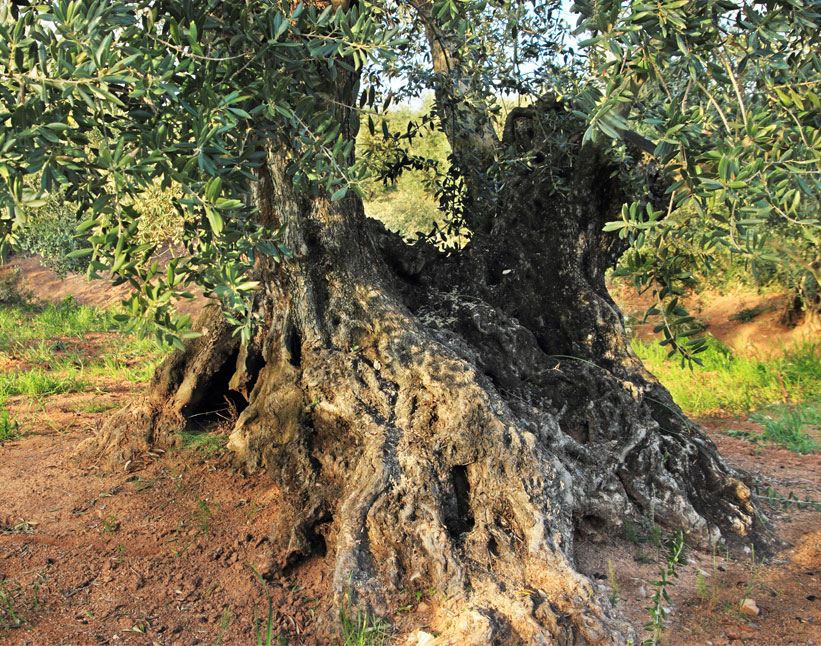
At Balcón del Sur we hand-harvest our olives in October–November, transport them to the mill within hours, and cold-extract the same day. Our Valdesur line is a Picual-dominant early harvest EVOO from Granada and Córdoba. Our limited 500 Años edition is pressed from centenary olive trees — a single-estate, single-variety expression of what Andalusian EVOO can be. Both have been recognised at Olive Japan, Great Taste UK and Flos Olei.
We also offer a certified organic EVOO from the Acebuche variety — a rare wild olive cultivar from our oldest trees — and supply in bulk for food-service and private label clients across Europe.
Want to try our EVOO?
Valdesur, 500 Años and organic lines. Add to cart and confirm via WhatsApp.
Bulk or private label? Request B2B quote